
Why Women's Wedge Sandals Keep Selling Well in the Global Casual Footwear Market
Women's shoe styles change every season, but some types always sell well because they are both good-looking and practical. Women's wedge sandals are one of those types. They are not as tiring as high heels, and they give more height than flat sandals. They offer just the right lift, are steady to walk in, and don't tire your feet out even after standing for a while.
For shoe brands, importers, wholesalers, and retailers, wedge sandals are an important part of spring and summer collections. They sell well in Europe, North America, Australia, and many growing markets. You can wear them for many occasions—shopping, vacations, commuting to work, eating out, or weekend trips. In other words, if the style and quality are right, they are a reliable product with low return rates.
However, a good wedge sandal needs more than just a nice look. The materials, fit comfort, batch consistency, and quality checks all affect customer satisfaction and repeat sales.
Comfort Starts with Choosing the Right Materials
When we work with customers on new products, we often get asked the same question: why do some wedge sandals stay comfortable after months of use, while others get hard or lose their shape after just a few wears?
The answer starts with the materials.
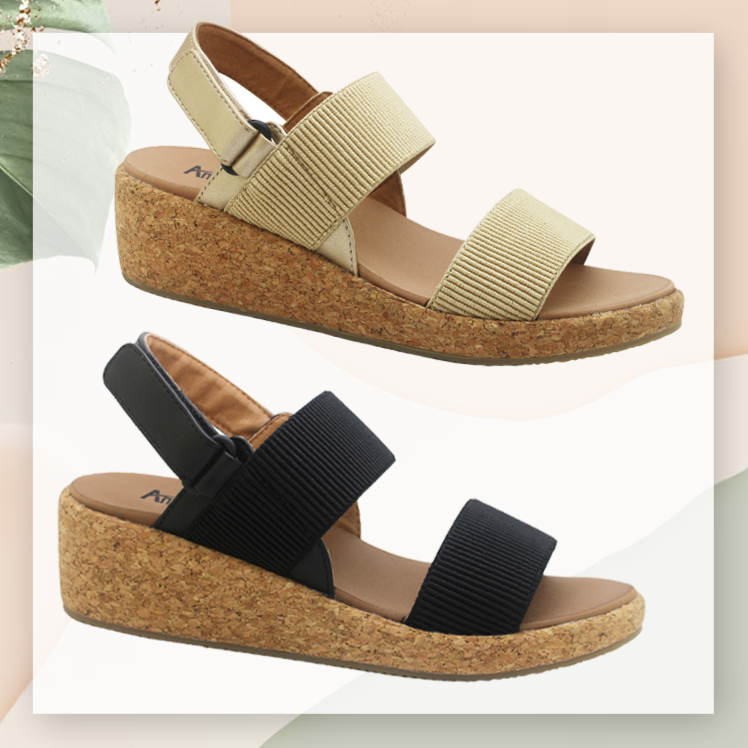
Take this women's wedge sandal as an example. Its comfort doesn't come from just one part, but from several materials working together.
The upper uses wide elastic fabric straps that stretch to fit different foot shapes. Stiff synthetic leather or PU straps can press into your feet after a while, but elastic woven straps spread the pressure more evenly and make the sandal easy to put on and take off.
The heel strap has hook-and-loop tape (Velcro), so you can adjust the tightness yourself. Some customers don't notice this when they first see the sample, but when the weather gets hot and feet swell a little, being able to loosen the strap makes a big difference. People who travel often especially appreciate this small detail.
The footbed has a cushioned pad, so your feet don't feel hard ground even after walking for a long time. And because the wedge shape is steadier than a thin high heel, your foot doesn't slide forward. Standing or walking feels much easier than in traditional heels.
Cork-Look Wedge Design Looks Good and Sells Well
In recent years, natural-looking materials have been very popular in casual women's shoes, especially styles that feel warm and organic.
This sandal uses a cork-look wedge midsole—it looks like cork and has a summery feel that shoppers tend to think of as high-quality. But from a production angle, it's made from engineered materials that keep the look consistent and make it easier to control quality and delivery time when producing large quantities.
For brands, choosing this cork-look style has several practical benefits:
Easy to match with colors: Beige, black, ivory, khaki, olive, and brown. These basic colors pair well with cork-look textures. Seasonal color planning becomes simpler.
Goes with many outfit: Cork-look materials pair nicely with linen, cotton, canvas, and knitted fabrics. Retailers can build a whole summer collection with a consistent style that looks good on display.
Shoppers like it: Today's customers care more and more about products that "look quality but feel light." Cork-look wedges hit that mark perfectly, whether for a beach vacation or city casual wear.
Experienced factories don't just focus on appearance when making these shoes. They carefully balance the weight of the sole, the height of the wedge, and walking stability. After all, customers buy these for everyday wear, not just to look at.
It's Often the Small Details That Make Customers Say "These Are Comfortable"
When buyers work on new products, they tend to focus on the big things—like what material to use for the sole or how high the heel should be. But in the end, whether customers leave good reviews or buy again often comes down to small, practical design choices.
Take the two wide elastic straps on this sandal—they're not just there for looks. They spread pressure across the forefoot so it doesn't feel squeezed, while still giving enough support when walking.
The open toe lets your toes breathe, so your feet don't get stuffy even after a full day in warm weather. This is especially important for markets near the beach, in resort areas, or in tropical climates.
The wedge sole spreads your weight more evenly than a thin high heel. If your customers stand a lot—like shop assistants, teachers, or tour guides—they'll especially appreciate this shoe.
The ounded edges on the footbed reduce rubbing around the heel and arch. Each of these details might seem small on its own, but together they add up to the real reason people say "these shoes are comfortable."
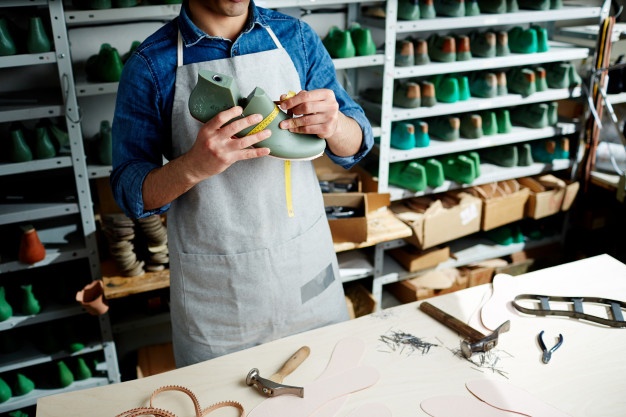
Before starting mass production, experienced factories make sample pairs and run many tests—walking simulations, flexing tests, and fit checks across different sizes—to make sure these details work well in actual production.
Every Batch Must Be Consistent to Protect the Brand
For international buyers, product quality isn't just about how the sample looks. A beautiful sample means nothing if later shipments vary in color, stretch, sizing, or workmanship.
That's why professional shoe factories don't wait until the end to check quality. They start controlling it from the moment raw materials come in.
Here are the checkpoints we usually monitor:
- Incoming raw material inspection
- Elastic strap tension consistency testing
- Color matching verification
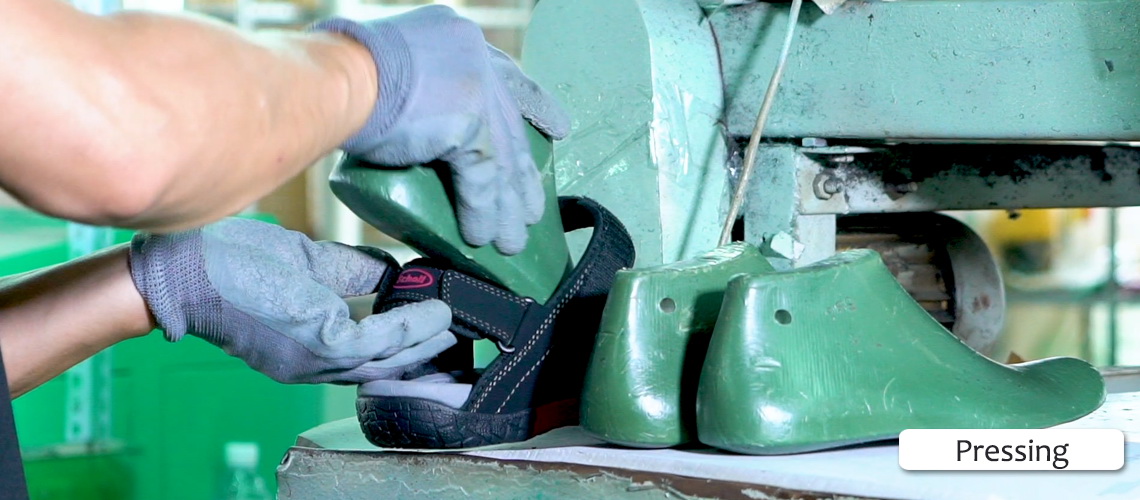
- Mold precision checks
- Sole bonding inspection
- Stitching quality checks
- Full visual inspection before packing
- Carton and label verification before shipping
At Pegasus Footwear, our quality control team monitors these points throughout production. We know this clearly—making a good sample is a skill, but making every production batch as good as the sample is what keeps customers coming back.
When quality stays stable, return rates go down, customer reviews stay positive, and brands feel more confident placing new orders.
OEM/ODM Customization Helps Brands Stand Out
Today's footwear market is very competitive. Many sellers offer similar styles, and prices keep getting pushed down. But if your product has its own unique features, the result is completely different.
More and more buyers don't want generic shoes that any supplier can make. They want designs that match their own brand identity.
An experienced OEM/ODM factory can help you create differentiation in many areas, such as:
- Exclusive sole patterns
- Adjusting wedge height
- Changing upper materials
- Elastic strap colors and textures
- Decorative buckle styles
- Logo printing on soles or uppers
- Custom printed footbeds
- Eco-friendly packaging options
- Branded shoe boxes
- Hangtags and barcode label design
Also, if brands work with the factory early in development, the factory can suggest better materials based on the target market—for example, if a region has wider feet or a hot, humid climate, they can recommend what materials would work best. This kind of experience helps brands avoid mistakes and saves unnecessary tooling costs.
Sustainability Is No Longer Optional
In the shoe business today, sustainability is not just a slogan—it's a real purchasing requirement.
Many international retailers will ask for environmental documents when they place orders, such as whether materials are compliant and whether production reduces emissions.
As a factory, here's what we can do on the production side:
- Reduce material waste
- Recycle usable offcuts
- Source raw materials that meet REACH standards
- Improve energy efficiency during production
- Use recyclable packaging materials
- Keep traceability records in the supply chain
These actions aren't just to meet customer requirements. They reflect the factory's long-term approach to doing business. We don't just talk about it—we practice it every day in production.
Long-Term Partnerships Are Built on Reliable Manufacturing
Choosing a shoe factory is not just about comparing prices. Whether communication goes smoothly, quality stays stable, development is flexible enough, and delivery is on time—these are what determine whether a partnership lasts.
Pegasus Footwear was founded in 2005. We specialize in OEM and ODM production of sandals, slippers, flip-flops, winter boots, and outdoor shoes for customers around the world.
Our development team works with brands, wholesalers, retailers, and importers from the very start—from material suggestions and sample development to production planning and quality control. We don't just make shoes. We help our customers sell better in their own markets.
For this women's wedge sandal, we can flexibly adjust materials, colors, sole construction, branding, and packaging to help customers create their own distinctive collections.
With over twenty years of manufacturing experience, a complete footwear supply chain, and strict quality control processes—these strengths allow us to keep providing international partners with comfortable, stylish, and competitive footwear products.
As shoppers worldwide keep looking for shoes that are comfortable and stylish, women’s wedge sandals stay a steady pick for spring and summer. Brands that invest in product design, production quality, and customization services will earn longer-lasting returns in today's tough market.

Contact Us